
Rebuilding Your Skin Barrier: The Oil-in-Water Method
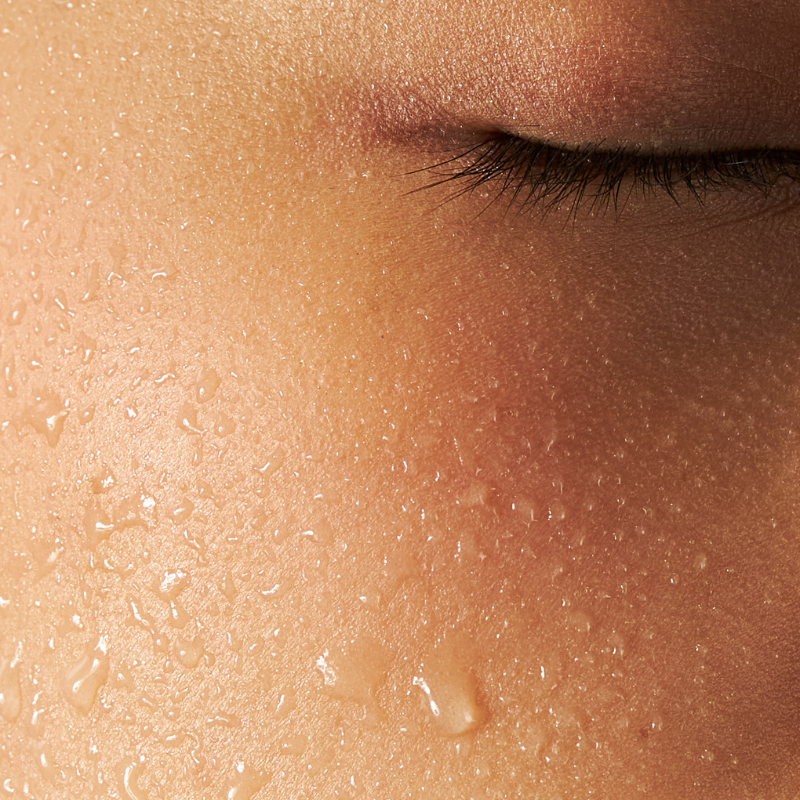
If you’ve ever slapped a facial oil onto bone-dry skin and wondered why you ended up feeling like a slick, greasy mess - you’re not the only one. The secret to achieving soft, plump, glowing skin isn't just about buying what’s trending on TikTok Shop - it’s about understanding how oil and water interact on your skin’s surface.
Enter the oil-in-water method, a legacy technique that hydrates, smooths and rebuilds the skin’s barrier. Whether you’re referring to oil-in-water emulsion products (lightweight serums or lotions where microscopic oil droplets are suspended in a water base) or the application technique of layering facial oils over soaking-wet skin, the core science is identical: water hydrates and oil seals. Let’s dive into why this works and how to properly utilize this method at home.
What Exactly Is the Oil-in-Water Method?
To understand why this approach works, it helps to distinguish between hydration and moisturization:
Water (Hydration): Binds moisture into your skin cells and creates a plump, smooth texture. Unfortunately, water evaporates quickly on its own - this is called transepidermal water loss (TEWL) and it can leave the skin feeling tight, dry and irritated.
Oil (Moisturization & Occlusion): Creates a protective lipid shield on top of the skin and helps restore the integrity of the outermost layer of the skin. Oils provide essential fatty acids and prevent water from escaping - but they contain zero water of their own.
When you apply oil to dry skin, it sits on top without anything underneath to “trap”. But when you combine oil and water - either by using an oil-in-water emulsion or by pressing 2–3 drops of facial oil onto misted, damp skin the oil acts as a barrier, trapping that water within your stratum corneum (the outermost layer of the skin).
How the Oil-in-Water Method Benefits Your Skin
1. Maximum Hydration Without the Heavy, Greasy Feel
Oil alone can feel heavy and slow to absorb when applied directly to dry skin. By using a specially formulated oil-in-water emulsion or pairing oil with a water base (like a hydrosol, hydrating toner, or even damp skin post-wash), the water acts as a delivery vehicle. The hydration penetrates the skin quickly, while the oil spreads thin and absorbs seamlessly. You get all the barrier repair of a rich cream with a weightless, breathable, dewy finish.
2. It Recreates Your Skin's Natural Barrier (The Acid Mantle)
Your body naturally produces its own oil-in-water system: sebum (natural lipids) mixed with perspiration (water and trace minerals). Together, they form your acid mantle - a protective layer that guards against environmental damage, pollution, and harmful bacteria. Harsh cleansers, hot water, and living in a drier climate constantly strip this layer. Combining oil and water in your routine directly replaces lost lipids and moisture in the precise harmony your skin needs.
3. It Regulates Oil Production (Even for Oily & Acne-Prone Skin)
Putting oil on breakout-prone skin sounds wrong, but dehydration is actually a primary trigger for excess oil production. When your skin lacks water, your sebaceous glands overcompensate by pumping out extra sebum- leading to clogged pores and irritation. Flooding your skin cells with water and sealing them with an acne-safe oil (like rosehip or squalane) signals to your glands that your barrier is intact. This halts the overproduction cycle and helps restore skin clarity.
Spotlight: Medipair Lipo-Hydro Ampoule
While standard hydration serums only quench the skin's surface, this oil-in-water emulsion has mastered deep-layer hydration.
Lipo-Complex: Mimics your skin’s natural lipid structure to lock in moisture, prevent transepidermal water loss (TEWL), and restore suppleness to dry or damaged skin.
Hydrolyzed Collagen: Broken down into micro-molecules for deeper absorption, helping to instantly plump dehydration lines, boost elasticity, and firm the skin.
Sea Salt: Rich in essential trace minerals that help balance moisture retention, purify pores, and soothe irritated skin for a smoother, clearer complexion.
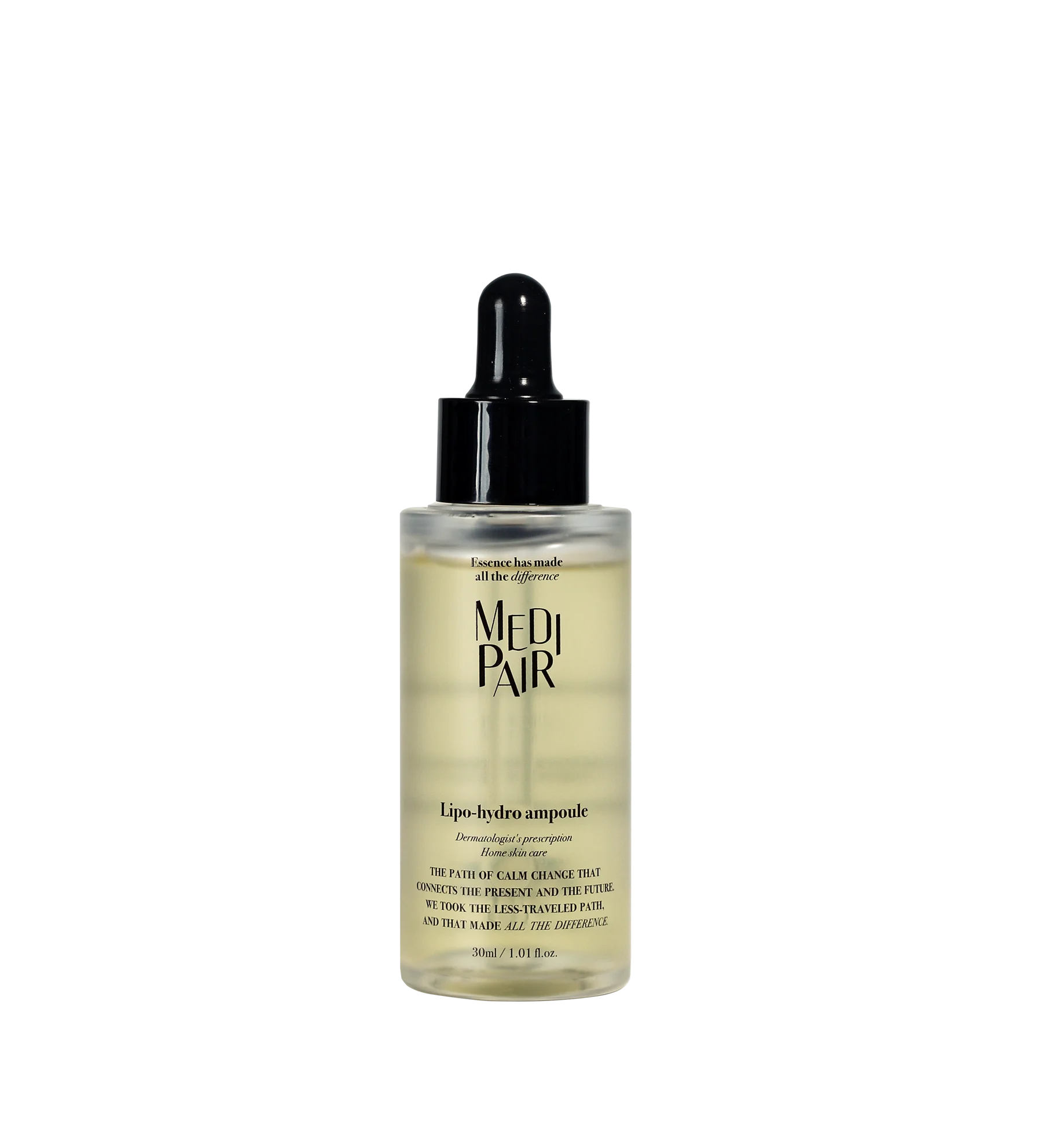
The ultimate dual-action hydration ampoule for barrier fortification, mineral balance, and deep lipid replenishment.
Rejuvenate dry, compromised skin and restore youthful elasticity with Medipair’s Lipo-Hydro Ampoule. Formulated with lipo-complex, hydrolyzed collagen, and sea salt, this soothing ampoule balances essential lipid and moisture reserves deep within the skin. It purifies and reinforces the moisture barrier, drives deep tissue hydration, and restores vital trace elements to smooth dehydration lines - leaving your complexion plump, supple, and glowing with healthy radiance.
The Takeaway
Achieving glowing, healthy skin isn't about choosing trending techniques like “skin flooding” - it’s about using legacy techniques that work (and don’t force you to overspend).
Water Hydrates, Oil Seals: Water plumps your skin cells with moisture, while oil creates a protective shield to prevent evaporation - giving you deep hydration without a greasy feel.
Restores Your Acid Mantle: Combining lipids with moisture mimics your skin's natural barrier - this calms irritation and helps regulate excess oil production (yes, even for acne-prone skin).
Preps the Skin For Absorption: Whether you press facial oil onto wet skin or use an all-in-one product like the Medipair Lipo-Hydro Ampoule, the end result is still the same - healthy, hydrated skin with an intact barrier (which means better absorption and return on investment from every other product).
Frequently Asked Questions
-
Yes, absolutely! Dehydration is a primary trigger for excess oil production - when your skin lacks water, it overproduces sebum to compensate. Using lightweight, acne-safe lipids on damp skin (or a balanced formula like the Medipair Lipo-Hydro Ampoule) restores balance, signals to your oil glands to slow down, and calms irritation.
-
You can safely do both! In the morning, layering lipids on damp skin creates a smooth, dewy base that looks beautiful under sunscreen and makeup. At night, it supports barrier repair while you sleep.
If you have oily skin or wear heavy makeup during the day, you might prefer to do it only at night. The choice is yours, and it’s best to experiment and see what works for you.
-
Tap water works in a pinch, but hydrating mists or alcohol-free toners are ideal. Tap water - especially hard water (like we have in Hamilton), contains minerals like calcium and magnesium that can dry out or irritate sensitive skin as it evaporates. A hydrating toner or mist also delivers extra humectants like glycerin or hyaluronic acid which better improve skin hydration.