
The DIY Trap: 3 Science-Backed Reasons to Skip At-Home Microneedling
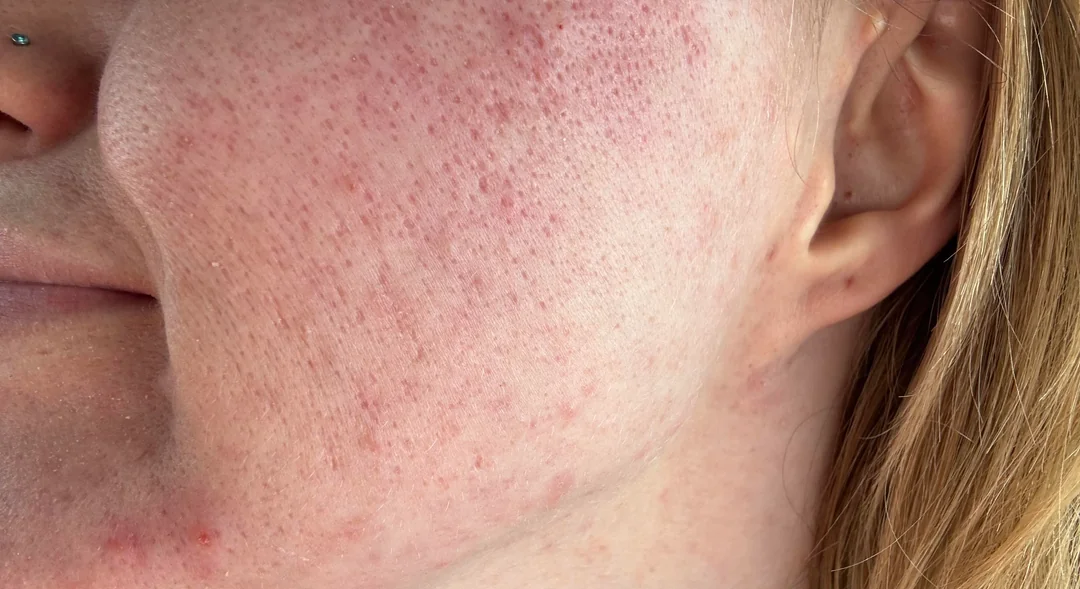
The DIY skincare community has evolved past putting toothpaste on a blemish. Today, skincare enthusiasts are purchasing unlicensed microneedling devices like the Derminator or Dr. Pen for their at-home skincare routines. The logic seems sound: automated microneedling machines avoid the "slicing" of traditional rollers, promising clinical-level skin rejuvenation without the clinic price tag.
However, moving from a manual roller to a high-powered motorized machine doesn't make at-home microneedling safer - it just multiplies the risks. Operating a motor-driven microneedling device without the proper training turns a controlled procedure into uncontrolled skin trauma. Listen, I get wanting to save a dollar where you can but here’s what the data says about at-home microneedling and why you should see a professional for your next session.
The Hidden Risks of At-Home Microneedling: What the Science Says
1. Uncontrolled Depth and High-Speed "Tear and Drag" Damage
Many unlicensed motorized machines allow users to select needle depths up to 2.5 millimeters. These higher depths have very specific uses, and while the vertical stamping mechanism avoids the uneven pattern of a roller, automated pens introduce a far more severe threat: motorized dragging and dermal over-penetration.
Facial skin thickness varies dramatically, we’re talking as thin as 0.30 mm around the eyes to as thick as 2.00 mm on the cheeks. Skin professionals adjust needle depths millimeter-by-millimeter based on underlying bone structure, tissue density, and target conditions. At home, setting an automated device too deep risks striking underlying blood vessels, nerves, and deep fat pads - leading to permanent scarring.

Additionally, if a high-speed machine is moved across the face faster than its motor speed, the rapidly oscillating needles act like a microscopic saw, tearing horizontal slices through the skin. This uncontrolled trauma frequently triggers severe post-inflammatory hyperpigmentation (PIH)and permanent textural damage. Microneedling has a pretty standard healing process for most people when performed by a licensed professional, so leave it to the professionals and reap the amazing benefits.
2. Granulomas, Necrotic Ulcers, and Foreign-Body Reactions
A common practice among DIY microneedling users is applying topicals like Vitamin C, Vitamin E, or retinoids before or immediately after using their at-home microneedling device to “boost penetration”. When non-sterile cosmetic ingredients are pushed deep into the skin, the immune system treats those foreign molecules as dangerous invaders. Preservatives, fragrances, and heavy emulsifiers that are safe on the surface become dangerous once inside the tissue - triggering severe foreign-body granulomas. These are lumpy, painful inflammatory nodules beneath the skin.
Clinical case studies highlight the severity of these reactions:
Necrotic Facial Ulcers: A study published in Cutis documented a 44-year-old woman who developed a severe, progressively enlarging necrotic ulcer on her chin. She paired an at-home microneedling device with Vitamin E oil and the resulting foreign-body granulomatous reaction required over 18 months of intensive medical treatment.
Sarcoidal Granulomas: Research published in CosmoDerma detailed a patient developing sarcoidal-type granulomatous lesions after at-home microneedling. Researchers noted that mechanical trauma and low-grade nickel in the needle cartridge contributed to persistent skin dysregulation.
3. Safety Advisories and Fluid Backflow Risks
In Canada, microneedling devices are regulated as medical devices. Health Canada's Official Safety Advisory on Microneedling Devices explicitly states that no microneedling devices have been authorized for at-home use. Health Canada only licenses microneedling devices for professional medical use, citing significant risks of permanent skin damage, infection, and cross-contamination when used without clinical oversight.
Many consumers assume that replacing the disposable needle cartridges on machines like Dr. Pen or the Derminator guarantees complete sterility. Unfortunately, this overlooks a critical mechanical hazard (and it’s often why these devices don’t have medical device licensing): fluid backflow into the motor housing and low-grade needle cartridges.
Health Canada and Canadian public health authorities warn that unapproved devices present severe biological hazards:
Pathogen Seeding: During high-speed motorized stamping, microscopic amounts of blood, lymph, and skin oils can be drawn upward into the internal cavities of the pen. Even when attaching a fresh needle cartridge for the next session, micro-droplets harbored inside the non-sterilizable motor mechanism can cross-contaminate the new needles, causing widespread cystic outbreaks or viral dissemination across the face.
Unlicensed Importation Risks: Many popular home pens are sold illegally in Canada without undergoing Medical Device License (MDL) evaluation. These unregulated needle cartridges frequently contain low-grade nickel alloys that leach ions directly into micro-punctures, triggering severe allergic contact dermatitis.
The Takeaway
High-powered motorized pens offer the illusion of professional precision, but power without clinical expertise only accelerates skin damage. Here are just a few reasons to leave it to the licensed professionals:
Licensed Equipment: Professionals use licensed equipment that minimizes many of the risks associated with microneedling. The internal housing, the motor, and the needle cartridges all play a significant role in the service so having a health authority approve them for use is crucial.
Depth Mapping: Professionals who do microneedling day in and day out know how to adjust the treatment variables (depth, speed, method of treatment) to get the best results while minimizing the risks.
Protects Your Investment: Seeing a professional ensures you see consistent improvements in the skin and avoids the possibility of many months of corrective treatment if the worst happens.
Frequently Asked Questions
-
Many overseas manufacturers and third-party retailers bypass medical regulations by shipping direct-to-consumer or reclassifying pens as cosmetic tools. While Health Canada actively issues safety advisories and seizes unapproved devices, the vast nature of e-commerce makes complete enforcement difficult. Just because an automated medical tool is physically available to order online does not mean it is legally authorized, safety-tested, or safe for unsupervised home use.
-
In a clinical setting, professional treatments are spaced 6 weeks apart. Collagen induction is a multi-stage healing process - your body requires weeks to transition from the initial inflammatory response to building new collagen fibers. When DIYers use high-speed pens weekly, they interrupt this delicate repair cycle. Subjecting the tissue to constant trauma keeps skin in chronic inflammation, which actually degrades existing collagen, and increases the risk of permanent scarring.
-
Normal post-procedure skin exhibits mild redness and warmth similar to a mild sunburn, which resolves within 24 to 48 hours. Red flags that indicate a complication include:
Redness, swelling, or heat that worsens after 48 hours
Painful, hard, or lumpy nodules beneath the skin (granulomas)
Yellow crusting, oozing, or pustules (bacterial infection)
A sudden cluster of fluid-filled blisters (viral outbreak)
If you notice any of these red flags, stop all topical products and see a medical professional immediately.