
Acne Breakouts? 3 Common Mistakes Preventing Clear Skin
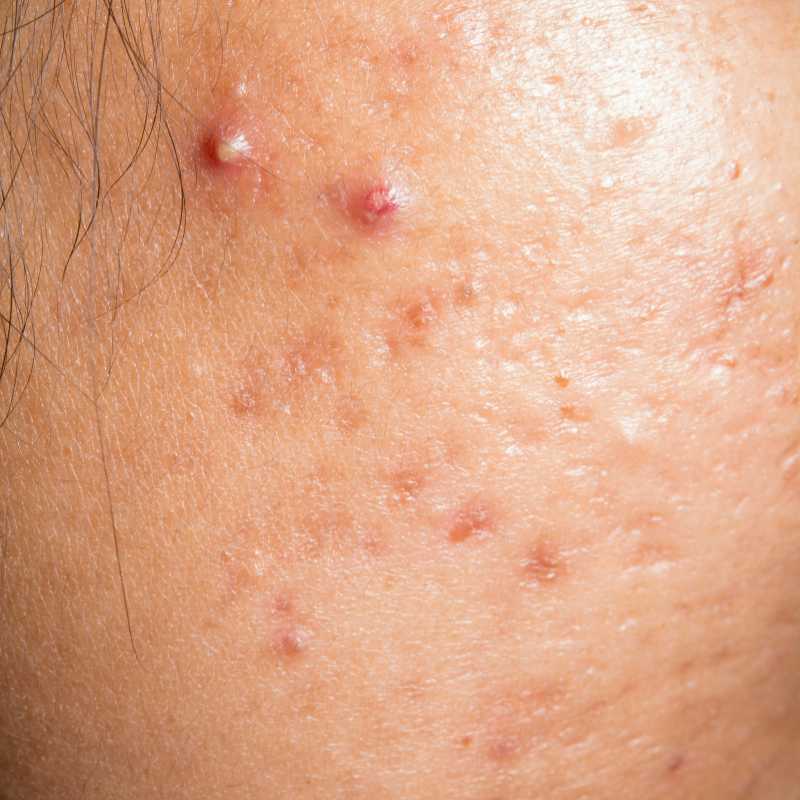
If you’ve been trying different acne treatments for weeks, months or even years with little to no results, it’s easy to feel frustrated. Maybe you’ve bought every cleanser, peel, or mask on the shelf - but your breakouts still return. The truth? Sometimes it’s not about what you’re using, but about how you’re treating your skin.
Many people unknowingly sabotage their own acne skincare routine by making a few common mistakes that damage the skin’s healing process. In this post, we’ll dive into three often-overlooked skincare missteps - dehydration and barrier damage, sleeping on retinoids, and overdoing it on exfoliation - and how fixing them can supercharge your acne treatment results.
Why These 3 Mistakes Matter for Acne Treatment
Your skin is a complex organ with its own built-in repair systems. When you strip it, stress it, or starve it of hydration those systems can’t work efficiently and acne becomes harder to treat.
Think of your skin like a protective wall:
Hydration is the glue that holds it all together.
Retinoids renovate the wall to improve it’s structure over time.
Exfoliation clears debris to keep the wall looking fresh.
When one of these elements is missing or overdone, the whole wall becomes unstable. That’s why it’s important to approach acne treatment with balance rather than aggression.
1. Ignoring Your Skin Barrier
One of the most common myths in acne treatment is that oily, acne-prone skin doesn’t need moisturizer. In reality, hydration is essential for all skin types - especially if you’re using active acne-fighting ingredients like retinoids, benzoyl peroxide, or salicylic acid.
When your skin barrier (the outermost layer of skin) is damaged, it can’t retain water effectively. This leads to transepidermal water loss (TEWL) - a process where water escapes from your skin into the air. Dehydrated skin is more prone to inflammation, redness, and sensitivity - all of which can worsen acne and slow healing.
How A Damaged Barrier Slows Acne Healing
A strong skin barrier acts as a protective shield, keeping out acne-causing bacteria and locking in moisture that supports healing. When that barrier is weakened, your skin is more vulnerable to:
Bacterial overgrowth
Overproduction of oil (as the skin tries to compensate for dryness)
Longer recovery time after breakouts
Signs Your Skin Barrier Is Damaged
Persistent dryness or tightness after cleansing
Increased redness and irritation
Sudden sensitivity to products you used to tolerate
Breakouts that take longer to heal
How To Fix Your Skin Barrier:
Step 1: Switch to a Gentle Cleanser
Gentle cleansers are key for all skin types. Harsh foaming cleansers strip the skin and disrupt its natural oil balance - I’m a big fan of pH neutral cleansers that include emollients because they work with your skins natural renewal process.
Step 2: Use an Acne-Safe Moisturizer
Oily skin still needs moisturizer - just opt for lightweight gels or lotions with ingredients like glycerin, amino acids, hyaluronic acid or calming ingredients like centella asiatica.
Step 3: Add a Hydrating Serum
Ingredients like hyaluronic acid, panthenol, and beta-glucan are excellent for pulling water into the skin and keeping it there.
Step 4: Protect From Environmental Stress
Indoor heating, cold weather, and pollution can worsen barrier damage. Using a humidifier when necessary (when indoor humidity drops below 30%), properly hydrating the skin and wearing SPF daily all helps the skin thrive.
2. Skipping a Retinoid in Your Acne Skincare Routine
Retinoids (like retinol, adapalene, or tretinoin) are one of the most researched and effective acne treatments available. They work by increasing cell turnover, meaning they help your skin shed dead cells before they clog pores. They also reduce oil production, minimize inflammation, and improve skin texture.
Many people avoid retinoids because they’ve heard they’re “too harsh” or they’re unsure where to start - but with the right approach, retinoids can transform acne-prone skin.
Benefits of Retinoids for Acne
Prevent clogged pores before they form
Reduce acne scars and post-inflammatory hyperpigmentation
Smooth fine lines and improve texture
Control oil production over time
How to Start Using Retinoids Without Irritation:
Step 1: Pick the Right Strength
Over-the-counter retinol or retinal is a good starting point if you’re nervous.
Prescription-strength adapalene, tretinoin, tazarotene or trifarotene are more potent but require a prescription.
This is where telehealth services shine - many family doctors aren’t comfortable prescribing (or sometimes aren’t familiar with) topical skin prescriptions. If you’re in Canada I refer my clients to Felix Health (get a free visit with my referral), they have a team of dermatologists and nurse practitioners who make it easy to get information on and access prescription skin treatments from the comfort of your own home. You upload a picture of your concern, upload your benefits and boom they ship your prescription right to your door.
Patience is crucial - while retinoids are one of the most impactful things when it comes to skin health overall, they still take time to work. It generally takes about 3 months with any form of treatment to start seeing the results - so be patient, be consistent and keep a journal of your results so you can measure effectiveness.
Step 2: Use the “Retinoid Sandwich” Method
Apply a thin layer of moisturizer, then your retinoid, then another thin layer of moisturizer. This cushions the skin and reduces irritation - just make sure the skin has dried between each layer as damp skin absorbs product much faster than dry skin and if a retinoid is applied to damp skin it increases your chance of having a retinoid reaction (flaking, peeling, redness).
Step 3: Start Slow
Your goal is to use a retinoid daily (at night) for best results - but when you’re starting out it’s best to space your applications 2-3 days apart. Retinoids work on retinoid receptors in the skin, so if you haven’t used one before it’s key to prime them beforehand (we call this retinization) - this ensures you build tolerance and retinoid receptor efficiency so you don’t dread daily use.
Step 4: Never Skip Sunscreen
Retinoids make your skin more sun-sensitive, so daily SPF is non-negotiable.
3. Overdoing It With Your Routine
Exfoliation is a double-edged sword in acne treatment. When done right, it removes dead skin cells, unclogs pores, and helps products absorb better. But when overdone, it damages the barrier, increases inflammation, and can even cause more breakouts.
Many acne sufferers fall into the trap of thinking:
“If a little exfoliation is good, a lot must be better.”
This leads to daily scrubbing, layering multiple acids, and mixing too many actives - all of which can strip away too much from the skin at once and lead to lasting damage.
Why Overdoing It Worsens Acne
When the skin is irritated, your oil glands go into overdrive to compensate, leading to clogged pores. Plus, damaged skin is more prone to bacterial invasion - the perfect storm for worsening acne.
Signs Your Skin Barrier Is Damaged
Stinging or burning when applying products
Persistent redness and irritation
Flaky, peeling patches
Breakouts that look angrier and more inflamed
How to Exfoliate for Acne Without Causing Damage:
Step 1: Choose the Right Type of Exfoliant
Chemical exfoliants (like AHAs, BHAs and PHAs) penetrate the pores and dissolve buildup.
Enzyme exfoliants (like papaya or pineapple enzymes) are gentler and ideal for sensitive skin.
Step 2: Limit Frequency
1–2 times a week is enough for most people. If you’re exfoliating more than that (or you’re mixing exfoliants like scrubs, peels and masks), you risk damaging the skin barrier. If you’re on a retinoid (or thinking of starting one), I’d stop exfoliation altogether and give the retinoid a few months to do it’s job - if you feel like you need more exfoliation, look at the frequency of application (increasing to every day) or increasing the percentage .
Step 3: Follow With Barrier Support
Hydration is key, so always moisturize after any form of exfoliation - protease enzymes (the enzymes that help skin naturally shed) require a hydration-rich environment to break apart the bonds between dead skin cells. Without adequate hydration these bonds stay intact - meaning any exfoliation you try to perform won’t be as effective, can damage the skin barrier and just lead to more breakouts down the line.
The Takeaway
Effective acne treatment isn’t about hitting your skin with the harshest products you can find. It’s about creating balance - hydrating to support your skin barrier, using retinoids consistently for long-term results and only utilizing exfoliation when needed.
Focus On Hydration: Hydrated skin is healthy skin, and if your skin isn’t properly hydrated everything else becomes less effective.
Don’t Sleep On Retinoids: There’s over 80 years of research on the benefits of retinoids for the skin and they just keep improving as time goes on. Skip the recommendations on TikTok Shop and reach for the legacy products that work.
Avoid Over-Exfoliation: Exfoliation is great - but if you’re already using a retinoid (or some other actives) it might not be as necessary as you think. Try limiting exfoliation to 1-2 times a week and allow your skin’s natural renewal process to do its job.
Track Your Routine: Keep a skincare journal to see what’s working and measure success over time (remember, most things take 3 months to really work).
Frequently Asked Questions
-
Purging typically happens in areas where you normally break out, appears as small whiteheads or papules, and begins within the first few weeks of starting a retinoid. Barrier damage, on the other hand, feels very different: your skin will sting when applying simple, gentle products, feel tight or raw, and look persistently red or flaky. If applying a basic moisturizer stings, that isn’t purging - it’s barrier damage. Pause the active ingredients and focus on pure hydration.
-
For most people, repairing a compromised barrier takes anywhere from 2 to 4 weeks of simplified, barrier-focused care. Strip your routine down to a gentle cleanser, a rich hydrating serum or cream, and SPF - skipping all exfoliants and actives. Once your skin no longer stings, feels tight after washing, or shows unprovoked redness, you’re ready to slowly introduce a retinoid.
-
When you're first building tolerance to a retinoid (the "retinization" phase), it's best to pause all other strong active ingredients. Mixing too many actives early on is a fast track to barrier damage. Once your skin has fully adapted - usually after 8 to 12 weeks of consistent retinoid use without irritation - you can slowly reintroduce a BHA or spot treatment on off-nights if needed.