
Sorry, But Preventative Botox Is A Complete Waste Of Money
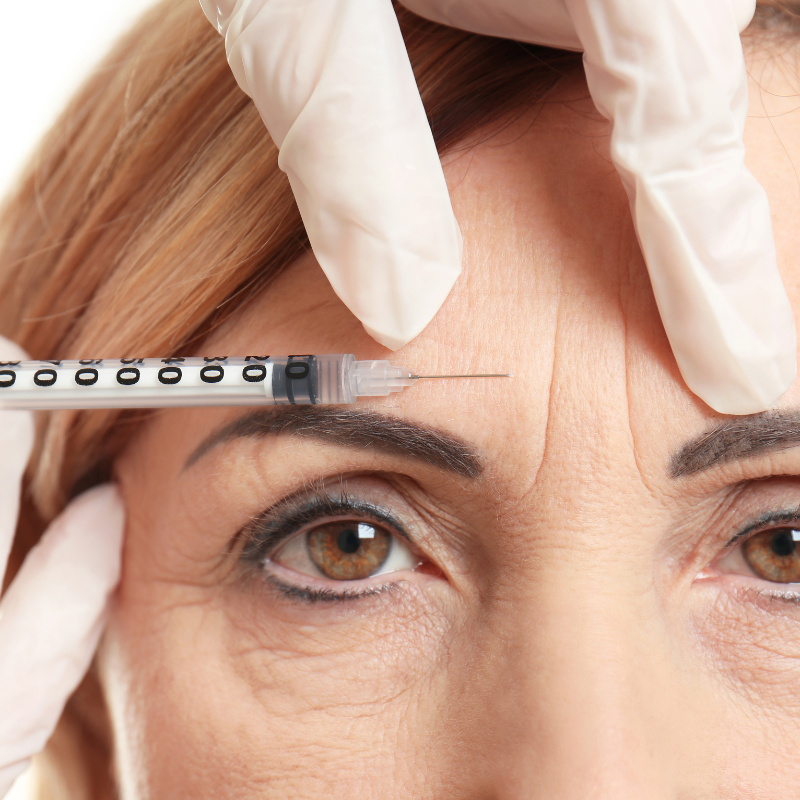
We all know that Botox is famous for smoothing out wrinkles and giving the skin a refreshed, youthful look. But lately, everyone seems to be asking: should you start getting injections before wrinkles even form?
While stopping wrinkles in their tracks sounds dreamy on paper, getting "preventative Botox" in your early 20s or 30s carries real risks and drawbacks that nobody talks about on social media. This week, we're diving into what preventative Botox actually does to your face and why your money is much better spent elsewhere.
“What is Botox and how does it actually work?”
Before we tackle the preventative hype, let's brush up on the science! Botox (short for botulinum toxin-A) is a neurotoxic protein produced by clostridium botulinum. In aesthetic medicine, it's injected into targeted facial muscles to temporarily block acetylcholine - the chemical neurotransmitter that tells your muscles to contract.
When those muscles can't contract, the skin sitting directly above them stays smooth and relaxed. Botox works wonders for dynamic wrinkles - the lines that form when you make expressions like frowning, squinting, or laughing (think forehead lines, crow's feet, and those "11" lines between your brows). The effect typically lasts 3 to 6 months before muscle movement gradually returns.
“What is preventative Botox, and are there any hidden downsides?”
Preventative Botox is the practice of injecting wrinkle-relaxers into completely smooth skin with zero static lines, with the goal of "stopping" future wrinkles from ever appearing. Fueled by filter culture and celebrity trends, young adults are booking appointments earlier than ever. But starting too soon comes with significant trade-offs:
Muscle Atrophy: Muscles need exercise to stay toned. When you paralyze a facial muscle repeatedly over years, it shrinks and weakens from disuse. Over time, premature Botox can lead to permanent facial muscle atrophy, leaving skin looking flatter or thinner and potentially changing your facial structure. (Pro tip: If you already get Botox, don't rush back every 3 months like clockwork - allow natural movement to return to keep those muscles healthy!)
Over-Reliance & Diminishing Returns: Starting in your early 20s gives your body decades to adapt. Over time, you can build up a tolerance, requiring higher doses or more frequent injections to get the same smoothing effect - which boosts your risk of complications and uneven results.
Psychological Impact & Dependency: Chasing impossible perfection at a young age can warp your self-image. It creates an early dependency on quick cosmetic fixes and can fuel body dysmorphia and anxiety long before your skin naturally shows signs of aging.
“When should I consider Botox, and how should I care for my skin in the meantime?”
So when is the right time? The sweet spot for Botox is when lines become static - meaning they stay visible on your face even when your skin is completely relaxed and expressionless.
Until that happens, your time and money are far better spent building a resilient, collagen-rich skin foundation:
A Solid Daily Skincare Routine: Focus on the fundamentals - gentle cleansing, barrier-repairing hydration, and non-negotiable daily broad-spectrum SPF. Sun protection prevents up to 80% of premature skin aging! (Need help tailoring your routine? Book a skin assessment and we'll build your dream regimen together!)
Results-Focused Treatments: Want rejuvenation without paralyzing your muscles? Non-invasive treatments like microneedling kickstart your body's natural collagen production and tissue remodeling, giving you long-term glow and elasticity without needles in your muscles.
Healthy Lifestyle Choices: Vibrant skin reflects internal health. A diet rich in antioxidants, proper hydration, regular exercise, and stress management keep your skin glowing far better than premature injections ever could.
The Takeaway
While preventative Botox is heavily trending, starting wrinkle-relaxers before you actually have static lines can lead to muscle atrophy, treatment tolerance, and unnecessary expenses. Reserving Botox for when dynamic lines turn into permanent static wrinkles yields far safer, more natural, and cost-effective results. In the meantime, prioritizing daily sun protection, targeted skincare, and collagen-stimulating treatments like microneedling will keep your skin vibrant and youthful for years to come.
Wait for Static Lines: Reserve Botox for when lines remain visible while your face is completely relaxed, rather than treating smooth skin.
Prevent Muscle Atrophy: Over-paralyzing young facial muscles leads to muscle thinning, weakening, and structural loss over time.
Allow Natural Movement: Avoid rigid 12-week injection cycles; letting movement return between sessions keeps your facial muscles healthy.
Build Collagen First: Focus on collagen-boosting treatments like microneedling, hydrating barrier care, and daily broad-spectrum SPF before jumping to injectables.
Frequently Asked Questions
-
Dynamic wrinkles only appear when you make facial expressions (like smiling or frowning) and disappear when your face relaxes. Static wrinkles are lines that remain visible on your skin even when your face is completely still and expressionless.
-
Microneedling and Botox work differently! Botox relaxes underlying muscles to keep skin from folding, while microneedling stimulates your skin's natural collagen and elastin production to repair texture, firmness, and fine lines. Microneedling is an incredible preventative alternative that strengthens your skin foundation naturally.
-
There is no magic age! Rather than going by a number, base it on your skin's actual condition. Consider Botox when dynamic expression lines turn into static wrinkles that no longer bounce back with skincare alone - for most people, this happens in their mid-30s or later depending on genetics and sun habits.
-
Your muscles will gradually regain full movement, and your facial expressions will return to normal. Your skin won't suddenly collapse or age faster; it simply resumes its natural aging process from where it left off.