
Glutathione 101: Benefits, Results & How to Use It
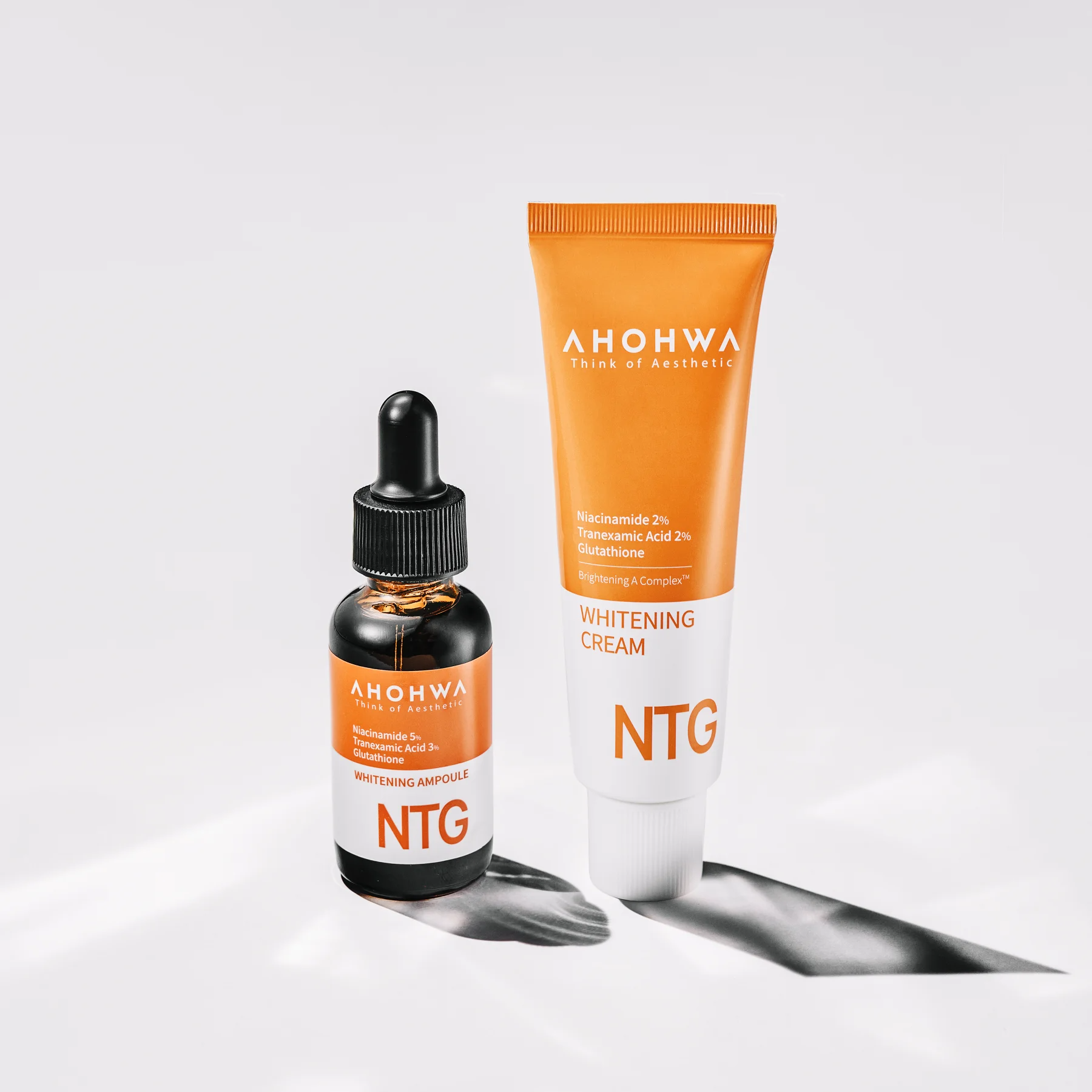
While the search for a crystal-clear, radiant complexion never stops, glutathione might just be the closest thing modern dermatology has to an internal reset button. Instead of harsh topical bleaching agents that compromise your skin barrier, this powerhouse tripeptide works at the cellular level - reprogramming how your skin produces pigment while shielding your tissue from environmental degradation.
Today, we’re breaking down the clinical science behind glutathione: how it fades hyperpigmentation, switches melanin pathways, turns up natural luminosity, and how to seamlessly incorporate it into your at-home routine.
What Is Glutathione?
Think of glutathione as your body’s "master antioxidant", It’s a naturally occurring tripeptide composed of three amino acids: glutamine, cysteine, and glycine. Produced by the liver and within every human cell, it serves as the primary internal shield against oxidative stress, heavy metals, and cellular toxins.
The catch? Your body’s natural glutathione levels drop significantly as you age - accelerated by UV exposure, pollution, stress, and poor sleep. In the Korean skincare market, glutathione has exploded in popularity because it offers something rare: clinically proven skin-brightening and spot-fading capabilities without triggering the irritation, redness, or barrier damage associated with aggressive chemical exfoliants or hydroquinone.
The Science: 4 Ways Research Shows Glutathione Transforms Skin
To understand how glutathione brightens skin, think of your melanocytes (pigment-producing cells) as tiny factories. When triggered by UV light, stress, or inflammation, these factories crank out dark, spot-producing melanin. Glutathione steps into the cellular assembly line to alter the production process from start to finish.
1. Direct Tyrosinase Inhibition (Stopping Pigment at the Source)
Tyrosinase is the essential enzyme required for melanocytes to synthesize melanin. Without active tyrosinase, dark pigment simply cannot form.
The Research: In vitro and in vivo studies reviewed by Sonthalia et al. (2016) and Handog et al. (2010) evaluated glutathione’s direct interaction with melanogenesis enzymes.
Key Finding: Glutathione directly binds to the active site of the tyrosinase enzyme, specifically interfering with its copper ion core - effectively turning off the cellular switch for new pigment formation.
2. The Melanin Pathway Switch (Eumelanin to Pheomelanin)
Not all melanin is created equal. Eumelanin produces dark brown and black pigment (causing hyperpigmentation and sun spots), while Pheomelanin produces lighter, yellow-red tones characteristic of bright, even skin.
The Research: Biochemical pathway profiling by Weschawalit et al. (2017) analyzed cellular sulfur levels and melanogenesis modulation.
Key Finding: By elevating intracellular cysteine levels, glutathione shifts the melanogenesis pathway away from dark eumelanin synthesis and toward lighter pheomelanin production, resulting in a naturally brighter, more uniform skin tone.
3. Neutralizing UV-Induced Reactive Oxygen Species (ROS)
UV radiation and environmental stressors trigger a flood of free radicals (ROS) in the cutaneous layer. These reactive molecules act as biological alarm signals, ordering melanocytes to overproduce dark pigment as a protective response while breaking down structural collagen.
The Research: A 10-week randomized, double-blind, placebo-controlled clinical trial by Watanabe et al. (2014) evaluated the localized cutaneous effects of a 2% topical glutathione formulation against placebo in healthy women.
Key Finding: Topical glutathione significantly reduced the localized skin Melanin Index, improved stratum corneum moisture retention, and smoothed wrinkle depth by directly quenching cutaneous ROS and preventing UV-induced oxidative stress directly at the epidermal level.
4. Fading Post-Inflammatory Hyperpigmentation (PIH) & Melasma
Stubborn discoloration from old acne breakouts, hormonal melasma, and post-procedure trauma requires targeted cellular downregulation to fade efficiently.
The Research: Double-blind, placebo-controlled clinical trials by Dilokthornsakul et al. (2019) measured localized Melanin Index (MI) scores across subjects with localized hyperpigmentation over 8 to 12 weeks.
Key Finding: Topical and targeted glutathione application led to statistically significant reductions in melanin density, visibly fading post-acne marks and patchiness while improving overall skin tone clarity.
Skin Conerns That Benefit Most
Stubborn Hyperpigmentation & Melasma: Interrupts the pigment factory to fade existing dark patches and prevent new clusters from forming.
Dull, Sallow, or Ashen Tone: Clears metabolic waste and switches melanin production toward lighter pheomelanin tones for an instant boost in skin clarity.
Post-Acne Marks (PIH): Calms post-inflammatory signaling to speed up the clearance of red and brown post-breakout spots.
Environmental Damage & Photoaging: Staunches UV-induced free radicals, protecting your structural collagen from breakdown.
Rough, Tired Texture: Reduces cellular oxidative stress, allowing skin cells to regenerate faster for a smoother surface.
Esthetician’s Top Pick: NTG Whitening Solution Set
If you’re ready to see what targeted brightening can actually do for stubborn dark spots and sallow skin, this set is our absolute go-to! Instead of relying on harsh, stripping exfoliants, this formula pairs high-potency glutathione with complementary pigment-blockers that interrupt melanin pathways at every stage to magnify your overall luminosity:
Glutathione: The star of the show! This master antioxidant turns off tyrosinase activity at the source and shifts your skin’s pigment production from dark brown eumelanin to lighter pheomelanin, restoring a clear, glass-skin glow.
Niacinamide (Vitamin B3): The ultimate pigment gatekeeper. While glutathione stops new dark spots from forming, niacinamide steps in to block existing pigment from transferring up to your skin’s surface (preventing it from ever becoming visible).
Tranexamic Acid: The calming corrector. It shuts down post-inflammatory signaling and vascular flushing, making it exceptionally powerful for fading stubborn hormonal melasma and lingering post-breakout marks.
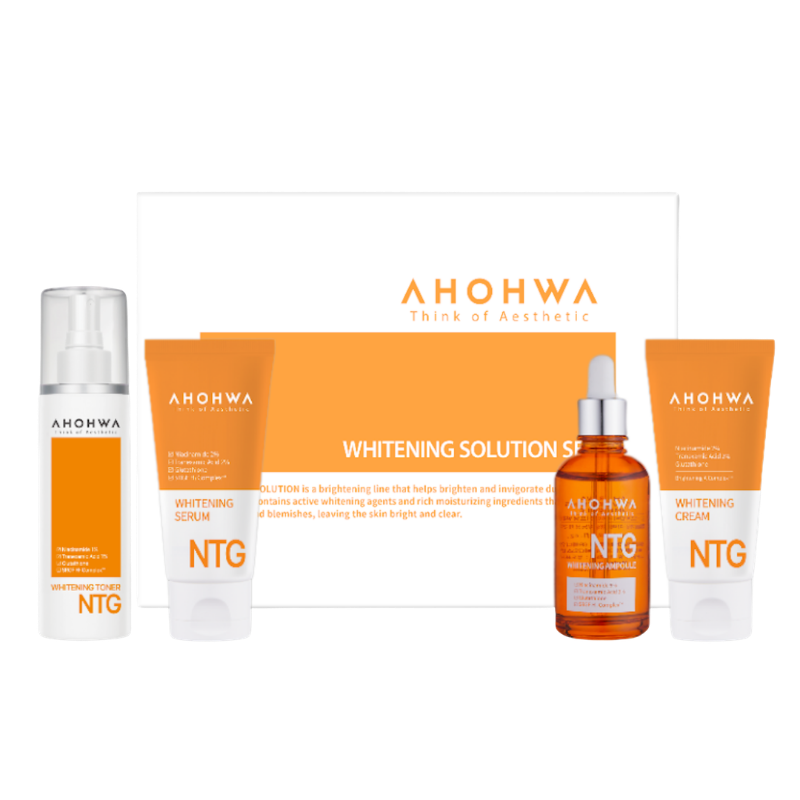
The ultimate high-potency 4-step brightening system engineered to target stubborn hyperpigmentation, interrupt melanin overproduction, and restore crystal-clear, luminous radiance.
NTG Whitening Solution Set Includes:
The Takeaway
Glutathione is in a league of its own when it comes to non-irritating skin brightening and comprehensive antioxidant protection. By addressing melanin production at the source, quenching damaging free radicals, and preventing collagen glycation, glutathione helps build clear, resilient, and luminous skin from the inside out.
Targeted Pigment Control: Inhibits tyrosinase and switches dark eumelanin to lighter pheomelanin for safe, non-toxic skin brightening.
Master Free Radical Scavenger: Staunches UV and environmental damage before it triggers dark spots or structural aging.
Synergistic Powerhouse: Pairs exceptionally well with vitamin C, niacinamide, and tranexamic acid to accelerate fading of melasma and post-inflammatory hyperpigmentation (PIH).
Gentle on the Barrier: Delivers clinical-grade brightening without the peeling, redness, or sensitivity common with aggressive chemical peels or hydroquinone.
Frequently Asked Questions
-
Most clinical studies show visible improvements in radiance and skin clarity within 4 to 8 weeks of consistent daily use, lining up with your natural skin cell turnover cycle. For stubborn melasma or deep sun spots, peak results typically appear around the 12-week mark.
-
No. Unlike harsh chemical bleaching agents or hydroquinone, glutathione is not a depigmenting toxin. It doesn't strip your natural skin tone - instead, it regulates overactive melanocytes, switching dark pigment synthesis to lighter tones to fade uneven patches, sun damage, and post-acne marks back to your skin's clearest, most radiant baseline.
-
Topical glutathione works exceptionally well for localized skin concerns. Modern formulations use reduced glutathione or liposomal delivery systems that penetrate directly into the epidermis, delivering concentrated antioxidant and tyrosinase-inhibiting action right where your pigment-producing cells live.
-
Yes! Glutathione is non-acidic and non-irritating, so it plays well with almost every active. In fact, using gentle exfoliants helps clear dead, pigmented surface cells so your glutathione serum can absorb even deeper.