
Chemical Burns & FDA Warnings: The Hidden Dangers of DIY Chemical Peels
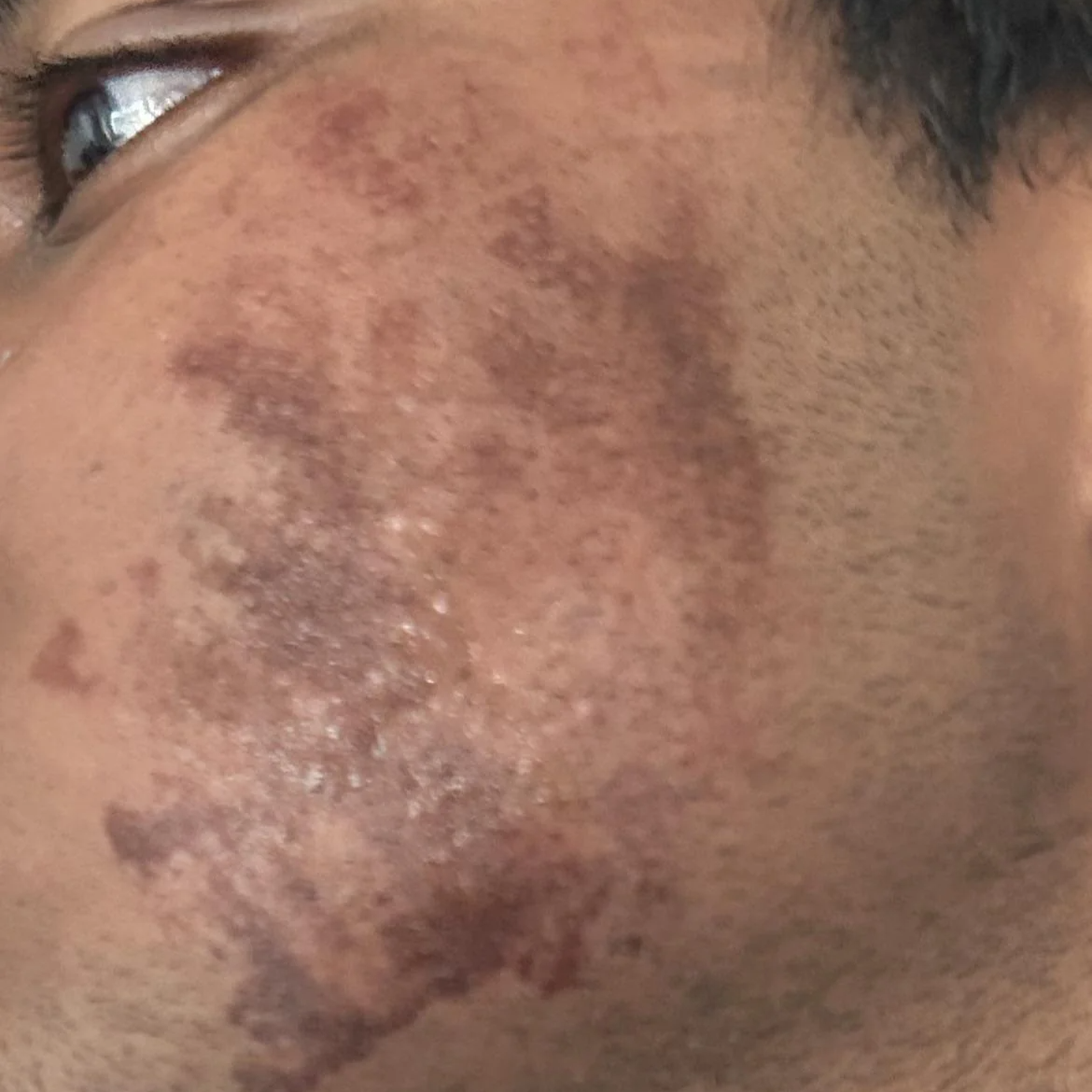
In the pursuit of smooth, glowing skin, at-home cosmetic treatments have surged in popularity across social media platforms. However, purchasing professional-strength chemical peels on open marketplaces like Amazon, Etsy, and unauthorized third-party beauty storefronts poses a severe public health hazard.
While over-the-counter exfoliants (like 2% salicylic acid or 10% glycolic acid serums) are generally safe when used as directed, clinical-grade peels contain potent acids such as 50% to 100% Trichloroacetic Acid (TCA) or 70% Glycolic Acid. These are designed strictly for application by board-certified dermatologists and licensed estheticians. Applying these compounds without formal clinical training is one of the fastest routes to permanent skin damage.
3 Critical Dangers of At-Home Professional Chemical Peels
1. Professional Acids Require Clinical Depth Control and Neutralization Protocols
Chemical peeling is a controlled tissue injury. Professionals modulate the depth of the peel (superficial, medium, or deep) by controlling variables such as pre-peel skin conditioning, acid selection, concentration, pH, contact time, layering, and precise timing of neutralization.
When an untrained consumer purchases a professional-strength peel online, key clinical fail-safes are missing:
The pH Factor: An acid's potency depends heavily on its pH, not just its concentration percentage. A 20% acid formula with an unbuffered pH of 1.5 can penetrate deeper and cause far more tissue damage than a 30% formula with a buffered pH of 3.5. Most online listing labels do not clearly explain pH dynamics.
Neutralization Missteps: Hydroxy acids (like glycolic acid) must be actively neutralized with an alkaline solution after a specific timeframe. Self-neutralizing acids (like TCA) coagulate skin proteins (frosting) rapidly; applying water or incorrect neutralizing solutions to TCA can cause an exothermic (heat-releasing) reaction that intensifies chemical burns.
Anatomical Vulnerability: Non-facial skin (such as the neck or chest) has fewer hair follicles and reduced blood supply compared to facial skin, making it significantly slower to heal and far more prone to permanent scarring. Untrained buyers frequently apply high-strength peels evenly over the entire face and neck without realizing skin thickness varies drastically across different anatomical zones.
2. Open Marketplaces Suffer from Mislabeled, Unregulated, and Impure Formulas
In Canada, cosmetics sold to consumers are strictly governed by the Food and Drugs Act and regulated through Health Canada's Cosmetic Ingredient Hotlist. Under Health Canada safety standards:
Over-the-counter consumer acid peels are legally restricted to a maximum concentration of 10% Alpha-Hydroxy Acid (AHA) and a pH of 3.5 or higher.
Any peel product with an AHA concentration exceeding 30% or a pH lower than 3.0 is classified as a prescription drug or restricted substance.
Products sold on third-party e-commerce platforms like Amazon or Etsy frequently bypass Health Canada’s mandatory cosmetic notification process. Independent sellers list illegal industrial-strength concentrations (such as 50%–100% TCA or 70% Glycolic Acid) directly to Canadian buyers without verification.
Health Canada Advisories & Case Precedents
Health Canada routinely issues public advisories and safety recalls warning Canadians against buying unauthorized health and cosmetic products from third-party online sellers. In official alerts regarding unauthorized online skin products, Health Canada warns that these items:
Have not been evaluated for safety, efficacy, or quality.
Frequently contain undisclosed prescription-grade active ingredients or illegal acid concentrations far exceeding safety limits.
Pose extreme risks of severe chemical burns, deep tissue inflammation, scarring, and allergic reactions.
3. High Risk of Permanent Complications, Hyperpigmentation, and Disfigurement
In a clinical environment, a practitioner conducts a comprehensive skin analysis using tools like the Fitzpatrick Skin Typing System to evaluate melanin activity and assess complication risk prior to applying an acid. Without this diagnostic screening, at-home chemical peels routinely trigger irreversible skin complications:
Post-Inflammatory Hyperpigmentation (PIH) & Hypopigmentation: Chemical trauma triggers excessive melanin production, causing long-lasting dark blotches, particularly in individuals with medium-to-dark skin tones (Fitzpatrick Types III–VI). Conversely, deep chemical injury can destroy melanocytes entirely, leaving permanent white patches (hypopigmentation).
Hypertrophic and Keloid Scarring: Deep tissue burns destroy the dermal layer, leading to thick, raised, or pitted scar tissue that requires costly laser revisions or steroid injections to mitigate.
Ocular Damage: Unsupervised acid application near the eyes or accidental fumes/splashes can cause corneal damage and vision loss.
Real Evidence: What Clinical Studies Show
A landmark study published in the Journal of Clinical and Aesthetic Dermatology (JCAD) evaluated skin injuries stemming from non-professional use of chemical peel products. The researchers analyzed documented injuries - including consumer reports from Amazon product reviews, FDA adverse event filings, and medical literature:
Key Finding: Over 50% of patient injuries evaluated in the study resulted in partial-thickness or full-thickness burns. Half of the affected individuals required emergency room visits, dermatologic intervention, or surgical care to treat severe swelling, blistering, and disfiguring scars. Severe burns occurred even with products marketed as "superficial" or "mild," demonstrating that consumer misapplication is hazardous across all peel strengths.
The Takeaway
Navigating skincare goals safely requires recognizing the clear distinction between daily, gentle exfoliation and clinical-grade chemical resurfacing. Protecting your skin barrier and avoiding irreversible disfigurement starts with understanding where to draw the line.
Before considering any high-potency acid product or online beauty deal, keep these core safety principles in mind:
Clinical Acids Are Clinical Tools: Acids exceeding standard over-the-counter thresholds act to create controlled chemical burns; they represent a medical procedure rather than routine skincare.
Online Marketplace Listings Lack Oversight: Third-party sellers on Amazon and Etsy bypass regulatory scrutiny, selling medical-grade solutions (up to 100% TCA) without safety controls or verified concentration labels.
Severe Complications Are Common: Misuse frequently leads to partial/full-thickness chemical burns, permanent hypertrophic scarring, ocular injury, and severe post-inflammatory hyperpigmentation (PIH).
Stick to Safe Alternatives: For home treatment, use over-the-counter exfoliants (like 10% AHA or 2% BHA). For deeper resurfacing, consult a licensed professional.
Frequently Asked Questions
-
Over-the-counter exfoliants contain low concentrations of acids (typically 2% to 10%) buffered to a safe pH range (around 3.5 to 4.0) to gently loosen dead surface skin cells without damaging deeper tissue. Professional chemical peels use unbuffered, low-pH solutions with acid concentrations ranging from 20% to 100%, designed to deliberately remove specific epidermal and dermal skin layers to induce rapid cell renewal.
-
No. Platforms like Amazon and Etsy act as third-party hosting marketplaces and do not test individual cosmetic or medical-grade chemical products for safety, pH, or concentration accuracy before listing.
-
No. Neutralization is far more complex than applying water or a baking soda solution. Water applied to certain strong acids (like TCA) can trigger an exothermic (heat-releasing) reaction, driving the acid deeper into the skin and worsening the burn. Furthermore, different acids require specific neutralizing agents and precise timing that only trained professionals can judge in real time based on how the skin reacts.